
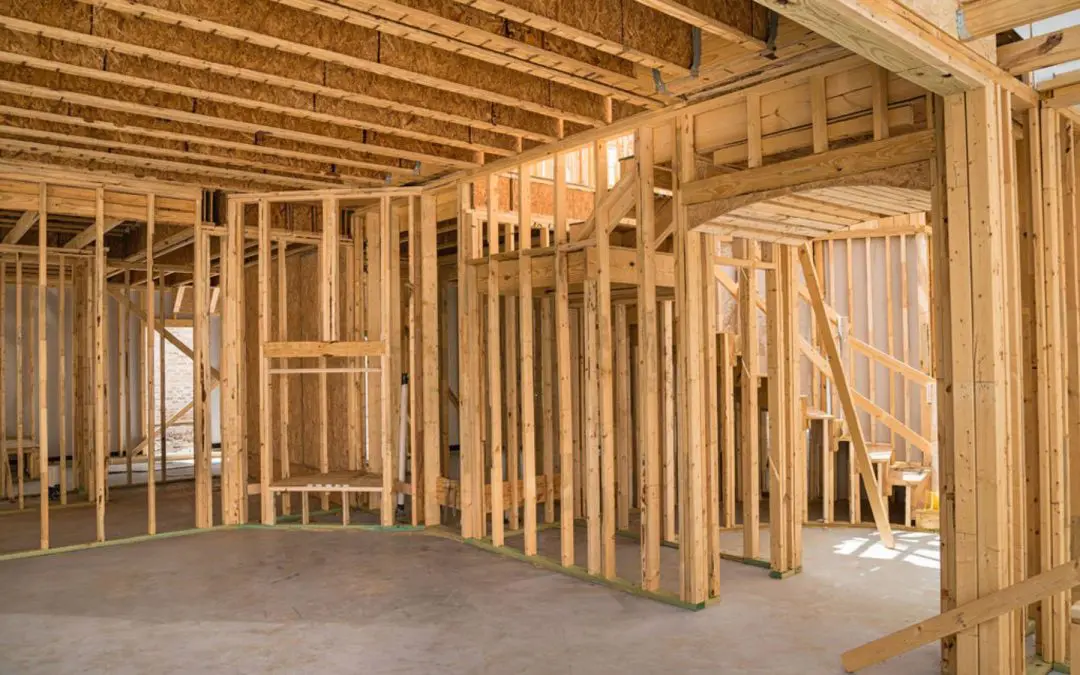
Buying a brand-new home feels like the ultimate fresh start. No previous owners, no deferred maintenance, no mystery repairs lurking behind the walls. It’s easy to assume that because everything is new, everything must be right. But that assumption has cost a lot of Central Arkansas homeowners real money. A new construction home inspection is one of the most valuable steps a buyer can take before closing, and skipping it is a risk that rarely pays off.
New homes are built by human beings working under deadline, budget pressure, and the realities of coordinating dozens of subcontractors. Errors happen. Materials get installed incorrectly. Things get missed in the rush to reach the final walkthrough. A professional inspection before you take the keys gives you an objective, unbiased look at the property before it becomes legally and financially yours.
Why New Homes Are Not Automatically Problem-Free
The idea that new construction equals zero defects is one of the most persistent misconceptions in real estate. Builders rely on local code inspections throughout the construction process, but those inspections are narrowly focused on minimum code compliance. They are not the same as a thorough, independent home inspection performed by someone working solely in your interest.
Code inspectors check that the structure meets the legal minimum standard for safety. They are not looking for the full picture of how the home performs, where shortcuts were taken, or which systems may fail prematurely. An independent inspector, on the other hand, evaluates the property comprehensively and documents anything that falls short of proper installation and function.
Common Issues Found During New Construction Home Inspections
The defects found in new construction tend to surprise buyers who assumed the builder’s quality control would catch everything. Improperly installed HVAC systems are among the most common findings, including equipment that was sized incorrectly for the home or ductwork with inadequate connections. Plumbing issues appear frequently as well, from missing cleanouts to improperly vented drain lines that will cause ongoing problems.
Electrical deficiencies are another area where new construction frequently falls short. Missing knockouts, improper grounding, and panels with double-tapped breakers show up in homes that passed code inspection. Roofing issues including improperly installed flashing, missing felt underlayment, and inadequate ventilation also turn up with regularity, even in brand-new builds.
The Window Between Construction and Closing Is Your Best Leverage
Timing matters when it comes to a new construction home inspection. Ideally, the inspection happens before the final walkthrough with the builder, while there is still time and contractual obligation to request repairs. Once you close, the builder’s responsibility for defects typically narrows significantly and the burden of proof shifts in their favor.
Finding a problem before closing is a very different situation from finding the same problem a year later. Discovering that the HVAC system was improperly balanced before you sign gives you a documented, professional finding to bring to the builder. Discovering it in August, when the upstairs is ten degrees hotter than the first floor and your warranty window is closing, is a far more stressful conversation.
What a New Construction Home Inspection Covers
A thorough new construction home inspection follows the same comprehensive scope as a standard buyer’s inspection. The roof, structural components, foundation, electrical system, plumbing, HVAC, insulation, attic, crawlspace, windows, doors, and all accessible interior areas are evaluated and documented.
In Central Arkansas, there are a few regional considerations worth noting during any inspection. Local soil conditions can create foundation movement that shows up quickly in newer homes. Moisture management in crawlspaces is a genuine concern given the climate. And HVAC systems in this region work hard for much of the year, making proper installation and sizing especially important for long-term comfort and efficiency.
Phase Inspections for Homes Still Under Construction
Buyers who have contracted for a home that hasn’t been completed yet have an additional option worth considering. A phase inspection involves scheduling an inspector at one or more stages of construction before drywall goes up and systems are concealed. This type of inspection allows for evaluation of framing, rough plumbing, rough electrical, and insulation while everything is still accessible.
Once the walls are closed, issues in these systems become much harder to identify and far more expensive to correct. A phase inspection adds a layer of oversight to the building process and gives buyers documented evidence of the home’s condition at each stage, which can be valuable if disputes arise later.
Exploring Central Arkansas While Your Home Is Being Built
For buyers relocating to the Little Rock area or spending time in the region during the construction process, the Arkansas River Trail offers a great way to get acquainted with the area. This extensive paved trail system winds along both sides of the Arkansas River through Little Rock and North Little Rock, connecting parks, neighborhoods, and attractions with over 15 miles of scenic path. It’s a popular spot for cyclists, runners, and anyone who wants to explore the region at a relaxed pace.
Frequently Asked Questions About New Construction Home Inspections
Do new construction homes really need a home inspection?
Yes, without question. Builder quality control and municipal code inspections are not substitutes for an independent inspection performed in the buyer’s interest. Defects in new construction are common and well-documented, and finding them before closing is far less costly than discovering them after.
Can I just rely on the builder’s warranty instead of getting an inspection?
A builder’s warranty provides some coverage after closing, but it requires you to identify and report defects within specific timeframes and through specific processes. An inspection before closing documents defects while you still have the most leverage to require the builder to address them at no cost to you.
How long does a new construction home inspection take?
Most new construction home inspections take between two and four hours depending on the size and complexity of the home. Larger homes or those with additional systems like pools or extensive HVAC equipment take longer. You should plan to be present for the full inspection if possible.
Should I get a new construction inspection even if I trust my builder?
Yes. This is not about distrust. Even highly reputable builders produce homes with defects because construction involves many moving parts and many subcontractors. An independent inspection is simply the most reliable way to document the condition of the home before ownership transfers to you.
Blackbird Home Inspections provides home inspection services in Central Arkansas. Contact us to schedule an appointment.
Recent Comments