When it comes to creating a comfortable, energy-conscious home, few upgrades deliver as much impact as improving your home insulation. Insulation acts as a barrier between your indoor living space and the outdoor elements, helping your home stay comfortable no matter the season. Many homeowners are unaware of the significant energy loss that occurs through the attic, walls, floors, and even small gaps throughout their structure. Once you understand how insulation works and why it matters, it becomes clear that upgrading it is one of the smartest home improvements you can make.
How Home Insulation Enhances Indoor Comfort
Your HVAC system works hard to regulate your indoor climate, but without the right insulation, much of that effort slips right through the cracks. During winter, warm air naturally rises and escapes through poorly insulated attics and ceilings. In summer, heat from the sun penetrates your roof and warms the interior of your home. These temperature swings may make your home feel drafty, muggy, or inconsistent, even when your HVAC is running constantly. Better insulation acts as a temperature buffer. With effective home insulation, your home feels more consistently comfortable from room to room. You won’t experience that chilly back bedroom or the living room that overheats in the afternoon sun. Instead, you enjoy steady comfort throughout the year with less reliance on your heating and cooling system.
The Energy-Saving Benefits You Can Expect
Energy loss is one of the most significant side effects of poor insulation. When warm or cool air escapes, your HVAC system must replace it, causing longer run times and higher energy use. This leads to monthly bills that creep higher without any real improvement in comfort. Upgrading your insulation minimizes this energy waste. Once your home insulation is performing well, you immediately reduce the amount of conditioned air escaping and prevent unwanted outdoor air from creeping inside. Many homeowners report significant reductions in heating and cooling costs after insulation upgrades, especially when adding attic insulation or sealing major gaps. Over time, the savings add up, making insulation one of the most cost-effective improvements for long-term financial return.
Home Insulation Supports Healthier Indoor Air Quality
Sound insulation also contributes to a healthier home. Poorly insulated areas often allow outside air to enter, bringing in allergens, pollutants, and humidity. Moisture intrusion is especially problematic; it could lead to mold growth, wood rot, and respiratory issues for those living inside. By reinforcing your home insulation and guaranteeing areas are properly air-sealed, you create a cleaner indoor environment. Less dust, fewer allergens, and reduced moisture mean better air quality for your family. This is particularly important for households with children, seniors, or individuals with asthma or allergies.
Choosing the Right Materials and Installation Method
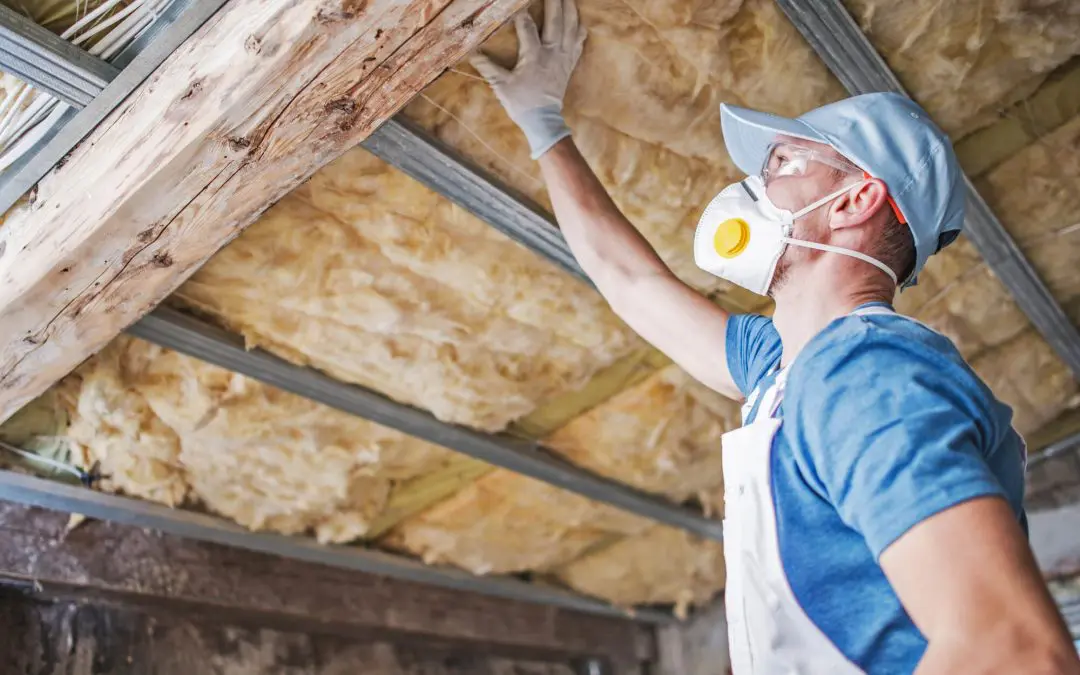
Selecting the right type of insulation depends on your home’s age, design, climate, and overall efficiency goals. Fiberglass batts may be a familiar option, but they must be installed correctly to avoid gaps. Blown-in cellulose is effective in attics and walls, providing excellent coverage. Spray foam, one of the most effective options, insulates and seals air leaks simultaneously. Because every home has different needs, a professional assessment will help identify which materials will be most effective. Attics may need a high R-value material, while crawlspaces may benefit more from moisture-resistant foam insulation. The right combination of materials and installation methods supports long-term performance and maximum comfort.
Long-Term Advantages of Home Insulation Improvements
Beyond comfort and savings, upgrading your insulation adds lasting value to your home. Modern buyers are increasingly focused on energy efficiency, and a well-insulated home stands out. Potential buyers appreciate lower energy bills, modern upgrades, and a house that has been well-maintained. Improving your insulation also protects structural components by reducing moisture-related issues and maintaining a stable indoor climate, helping preserve your home’s overall condition for years to come.
Frequently Asked Questions (FAQs)
How do I know if my home needs new insulation?
Common signs include uneven temperatures, drafty rooms, excessive dust, high energy bills, or insulation that appears thin, damaged, or settled.
Which areas should be insulated first?
The attic typically provides the most significant immediate improvement. After that, exterior walls, basements, crawlspaces, and garages also contribute to overall energy efficiency.
Can I install insulation myself?
Some types, such as fiberglass batts, may be manageable for DIYers, but professional installation guarantees proper coverage and long-term performance.
Does insulation really reduce energy costs?
Absolutely. Proper home insulation reduces heating and cooling demands, directly lowering monthly utility costs and extending the life of your HVAC system.
How long does insulation last?
Depending on the material, insulation may last decades. However, moisture, pests, and settling could reduce effectiveness over time. Periodic inspections help ensure it continues to perform well.
Blackbird Home Inspections provides home inspection services in Central Arkansas. Contact us to schedule an appointment.