A beautiful yard is about more than just grass and garden beds. Ideas that incorporate patios, pathways, retaining walls, and other structural elements add function, visual interest, and lasting value to any outdoor space. Unlike plants and lawn, hardscaping requires little to no ongoing maintenance once installed, making it one of the smartest long-term investments a homeowner can make. Whether you’re starting with a blank slate or looking to enhance an existing landscape, the right hardscaping ideas completely transform how your outdoor space looks and functions.
Start With a Plan Before Exploring Different Hardscaping Ideas
Rushing into a hardscaping project without a clear plan is one of the most common and costly mistakes homeowners make. Before selecting materials or hiring a contractor, take time to assess how you use your outdoor space and what improvements would deliver the most value for your lifestyle. Do you need more functional entertaining space? Better flow between the house and yard? Solutions for a sloped or eroded area? Defining your goals upfront keeps the project focused, prevents scope creep, and ensures the finished result integrates naturally with your home’s architecture and existing landscape rather than feeling like an afterthought.
How a Patio Can Become Your Most Used Outdoor Space
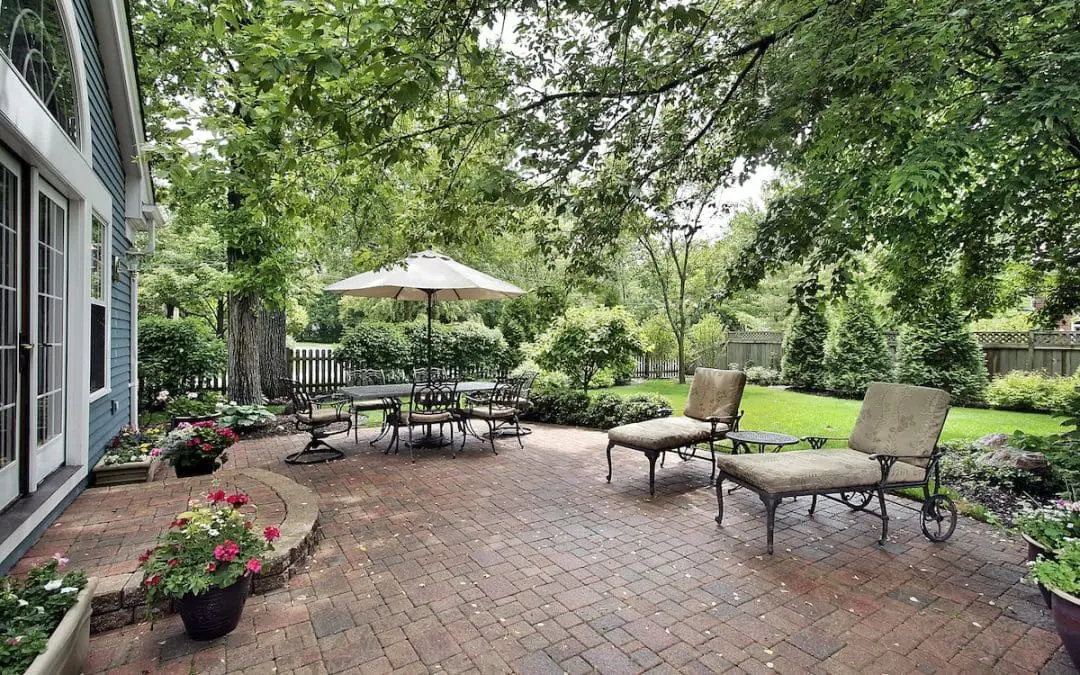
A well-designed patio is one of the most popular and versatile hardscaping ideas available to homeowners. Whether constructed from natural stone, concrete pavers, brick, or porcelain tile, a patio extends your living space outdoors and creates a dedicated area for dining, entertaining, and relaxing. The material you choose has a significant impact on both the aesthetic and the long-term maintenance requirements. Natural stone offers timeless beauty but may be more expensive, while concrete pavers provide durability and flexibility at a more accessible price point. Adding a pergola, outdoor kitchen, or fire pit to an existing patio takes the space to the next level and increases its year-round use.
The Right Pathway Makes Your Yard Feel Finished and Functional
Pathways are among the most functional hardscaping ideas for any yard, guiding foot traffic, protecting lawn and garden areas from wear, and adding visual structure to the landscape. A well-placed pathway connecting the driveway to the front entry, or the back door to a patio or garden area, improves both convenience and curb appeal. Materials range from simple stepping stones set into the lawn to formal flagstone or brick walkways with defined edging. The style and material should complement the overall aesthetic of the home and landscape.
Hardscaping Ideas for Slopes, Erosion, and Uneven Terrain
Retaining walls are one of the most practical hardscaping ideas for properties with sloped terrain. Beyond their functional role in preventing erosion and managing water runoff, retaining walls create level planting areas, define outdoor zones, and add significant visual interest to what might otherwise be a challenging landscape feature. Raised garden beds built from stone, brick, or timber serve a similar dual purpose, providing better growing conditions for plants while adding a structured, intentional element to the yard. Both features work particularly well when materials are chosen to complement the home’s exterior and other hardscaping elements throughout the property.
Curb Appeal Starts With a Driveway and Edging That Impresses
The driveway is often the largest hardscape surface on a residential property, and upgrading it is one of the highest-impact improvements for curb appeal. Replacing a cracked or dated concrete driveway with pavers, exposed aggregate, or stamped concrete dramatically changes the first impression your home makes. Even without a full driveway replacement, adding clean edging along the driveway border and front walkway creates a more polished, intentional appearance that elevates the overall look of the property. Edging materials such as steel, aluminum, and stone are durable options that cleanly and attractively define the boundary between hardscape and landscaped areas.
Hardscaping Ideas That Add Value Over Time
Beyond aesthetics and function, well-executed hardscaping adds measurable value to a property. Outdoor living spaces consistently rank among the home improvements with the strongest return on investment, appealing to buyers and increasing overall property value. Choosing quality materials, working with experienced contractors, and selecting designs that complement rather than compete with the home’s architecture ensures that hardscaping improvements remain attractive and functional for decades. For homeowners looking to enhance their outdoor space in a way that pays lasting dividends, hardscaping is one of the most rewarding investments available.
Frequently Asked Questions (FAQs)
What is hardscaping?
Hardscaping refers to the non-living structural elements of a landscape, such as patios, walkways, driveways, retaining walls, raised beds, and edging constructed from materials like stone, brick, concrete, and wood. A well-balanced outdoor space typically incorporates both hardscaping and softscaping elements.
What are the best hardscaping ideas for a small yard?
A compact patio with built-in seating, a simple stepping stone pathway, and clean bed edging can make a small yard feel intentional and well-designed without overwhelming the space. Vertical elements like a small retaining wall or raised planter add visual interest without consuming significant ground area.
How much do hardscaping projects typically cost?
Simple DIY projects like stepping stones or garden edging can cost a few hundred dollars. Larger installations like patios, retaining walls, or driveway replacements can range from several thousand to tens of thousands, depending on size, materials, and labor. Getting multiple quotes and clearly defining the scope before committing helps ensure accurate pricing.
Is hardscaping something I can do myself?
Smaller projects like laying stepping stones, installing edging, or building raised beds are manageable for most DIYers. Larger projects involving excavation, drainage, or structural retaining walls are better suited to professional installation to ensure safety and code compliance.
How do I maintain hardscaping features?
Routine maintenance includes periodic cleaning, re-sanding between pavers, inspecting for shifting or settlement, and sealing natural stone or concrete as needed. Addressing minor issues promptly prevents small problems from becoming costly repairs down the road.
Blackbird Home Inspections provides home inspection services in Central Arkansas. Contact us to schedule an appointment.